Filipino Martial Arts
16 years of practice and 11 years of teaching the art of Lapunti Arnis De Abanico
The Art
Lapunti Arnis
De Abanico
A multi-weapon-oriented Filipino combative system that originated from Cebu, Philippines. Lapunti is engineered to overwhelm opponents using rapid-fire combinations, and by pairing two of its most unique and deceptive features: abanico (fan) strikes and the cross-legged stance or footwork.
Abanico Strikes
Rapid fan-like combinations that strikes from unexpected angles and goes around common blocks or positions of defense. Honed through decades of experimentation and testing in actual combat or fight challenges.
Cross-Legged Footwork
The only FMA style that traditionally employs this type of stance and footwork. Enabling a practitioner to swiftly close or create distance, evade or gain a more advantageous position, effectively deal with multiple opponents, and fight in tight spaces.
Developed during the early 1900s by the Caburnay family: Arsenio Caburnay, GM Felimon Caburnay, and SGM Prudencio 'Undo' Caburnay, with significant contributions from GM Johnny Chiuten, a master of Choy Li Fut Kung Fu and other arnis styles. Official organization established in 1972, in Cebu, Philippines.
LAPUNTI: The 3 barangays in Cebu where the Caburnay family practiced and developed the art; and the core ideals every practitioner strives to embody:
Instructor Profile
Guro
Alvin Penaflor
Practiced and dabbled in different forms of martial arts from an early age before finding Lapunti. From Karate, Judo, Aikido, Tai Chi, Jeet Kune Do, Krav Maga to lesser known arts like Zeta Zen Aikido and Wonwhado.
Co-founded Lapunti Arnis De Abanico UP Diliman Training Group in 2010. Now known as Lapunti Pangkat Karilyon (Lapunti Karilyon Group) or simply as Lapunti Karilyon.
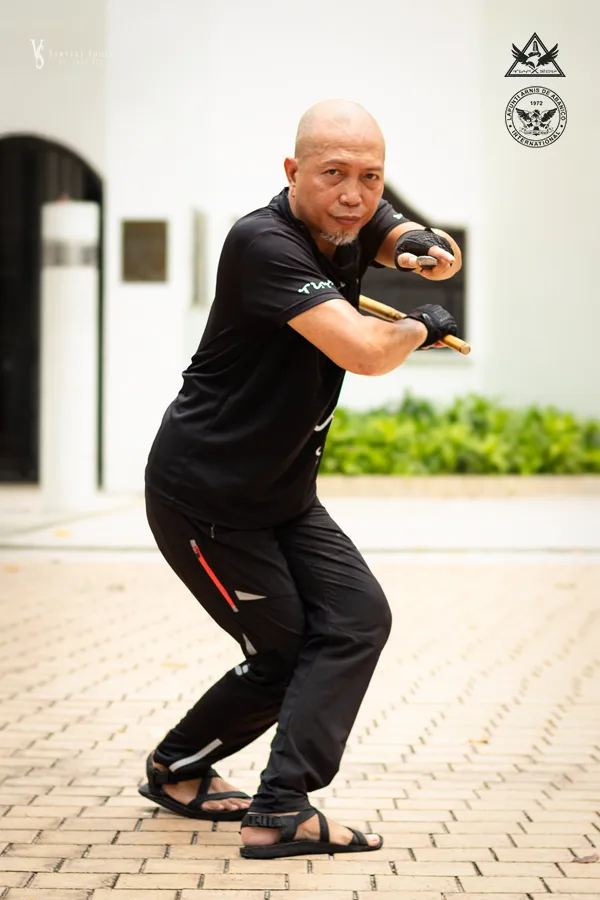
Guro (Lakan Apat - Instructor)
Lineage
-
Arsenio Caburnay
Main developer & originator of the Caburnay family art. A 'panday' or blacksmith by trade who went around the Visayas and Mindanao to ply his trade and learn from different masters of these regions.
-
GM Felimon Caburnay
Grandmaster. Established and led the early Escrima de Abanico group, which later became the Lapunti Arnis De Abanico school or style.
-
SGM Prudencio 'Undo' Caburnay
Supreme Grandmaster of Lapunti Arnis De Abanico. Further developed and refined the art passed down by his father and uncle into its present form.
-
GM Crisanto 'Cris' Ampit
Grandmaster. Direct student of GM Felimon and SGM Undo Caburnay. Migrated with his family from Cebu to Bulacan, bringing the art of Lapunti Arnis De Abanico to Luzon.
-
SM Danilo 'Buboy' Ador Jr. & SM Edwin 'Nonoy' Doncillo
Senior Masters. First cousins and students of GM Cris Ampit from an early age. The most senior practitioners of Lapunti in Luzon.
-
Guro Alvin Penaflor
Lakan Apat or Guro (teacher/instructor). Direct student of both SM Buboy Ador and SM Nonoy Doncillo.
Personal History
-
Pre-2010
Training in various martial arts
-
2010
Began training in Lapunti Arnis De Abanico; co-founded the UP Diliman training group
-
2011
UP Diliman training group officially recognized as an independent Lapunti chapter by SGM Undo Caburnay and LADAI Headquarters
-
2015
Promoted to Guro (Lakan Apat) by SGM Undo Caburnay during the annual club seminar and promotions
-
Present
Active instructor at Lapunti Karilyon, University of the Philippines, Diliman campus and teaching a few private students on spare time
Philosophy
How I Teach
Principles Over Techniques
Understanding the 'why' behind every movement. A technique is situational. A principle applies everywhere; across weapons, ranges, and scenarios. Master the principle and the techniques follow. 'From one thing, know ten thousand things'.
Make it Work
You haven't really learned a skill if you can't make it work. A technique should be made operational by continuous drilling, pressure-testing, then refining based on what worked and what didn't. Learn, test, refine, repeat. 'All doubts must fall before a student can become a master'.
Own It
First, learn by doing what is shown, then by adapting it for yourself, and then you make it your own. Imitating your teacher can only take you so far. Absorb, internalize, until the art becomes your own expression. The ultimate goal is finding your own Lapunti.
Traditional Knowledge, Modern Methods
Respect and honor the art's roots and lineage, while structuring training for progressive learning, measurable growth, and easier absorption. The teacher is also a student, and I'm always on the lookout for effective ways of transmitting old wisdom using modern methodology.
Training
What You'll
Learn
Full Curriculum
Rank EligibleThe traditional route. A progressive structure with eligibility for rank promotions. Following the Lapunti Karilyon official curriculum. A curriculum that I helped to develop based on traditional Lapunti lessons, but structured and supplemented for progressive learning and easier absorption.
Focused Sessions
FlexibleModular training. Designed for those who want to learn basic self-defense or focus on particular aspects of the art. For those with limited time or who cannot commit to the full curriculum path. Can later serve as a basis for additional or supplementary lessons for rank eligibility.
Curriculum Modules
Solo Baston
Single stick or long blade
Daga
Knife or dagger
Espada y Daga
Stick/blade and dagger
Doble Baston
Double sticks or blades
Mano-Mano
Empty hand combat
Traditional Forms & Drills
Classical training patterns
Special Focus Modules
This is just a preview of special courses that we are developing or considering for development. Contact me if anything catches your interest or to suggest another course you might be interested in taking.
Basic Self Defense
Basic defense course against common attacks
Women's Self Defense
Self defense course specially adapted for women
Weapon Assessment & Acquisition
Identifying and using everyday objects as a weapon
Weapon Retention
Preventing and countering disarms
Weapon Transition
Applying universal concepts from weapon to weapon and empty hand
Bangkaw
Long staff
Basic Solo Baston
Short course on basic handling, striking and defense using the single stick
Our Group

Lapunti
Karilyon

The University of the Philippines Diliman chapter of Lapunti Arnis De Abanico International (LADAI). A family and community for learning, practice, and advancement in and of the Filipino martial art of Lapunti Arnis De Abanico.
Co-founded in 2010, officially recognized as a Lapunti chapter in 2011 with the personal blessings of SGM Undo Caburnay.
Named after the iconic UP Carillon Tower. Our meeting place, training ground, and symbol of tradition and community.
Open to beginners and seasoned practitioners from all backgrounds.
Regular Training
- Schedule
- Every Sunday, 8:30 AM – 12:00 PM
- Venue
- UP Theater (Villamor Hall) entrance, beside the UP Carillon Tower
- Location
- University of the Philippines Diliman, Quezon City, Philippines
Gallery
Training Photos
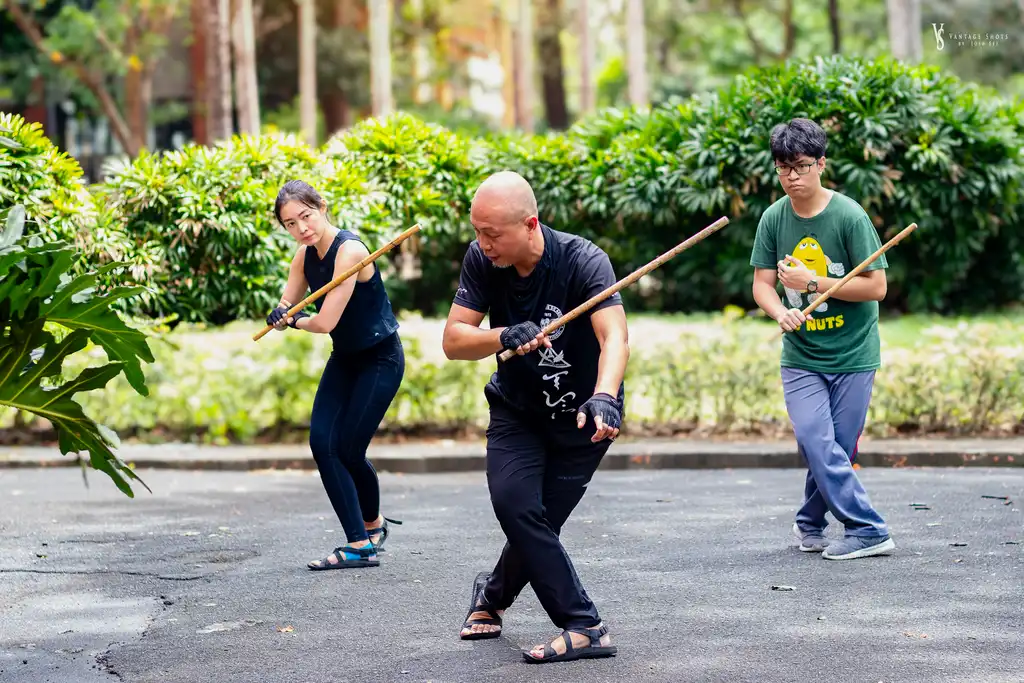
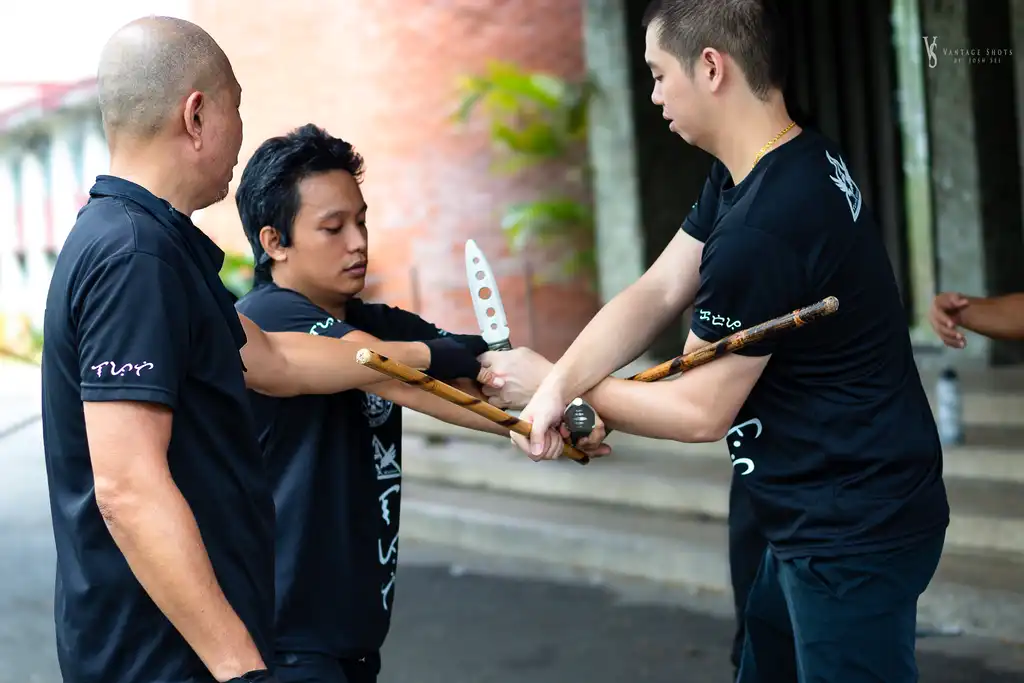
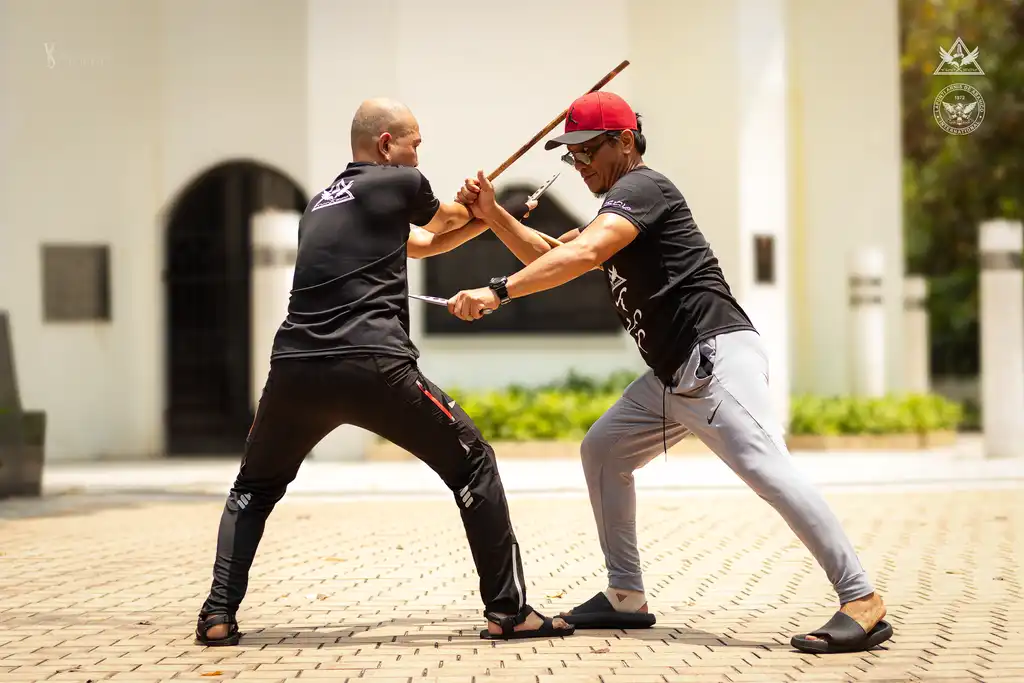
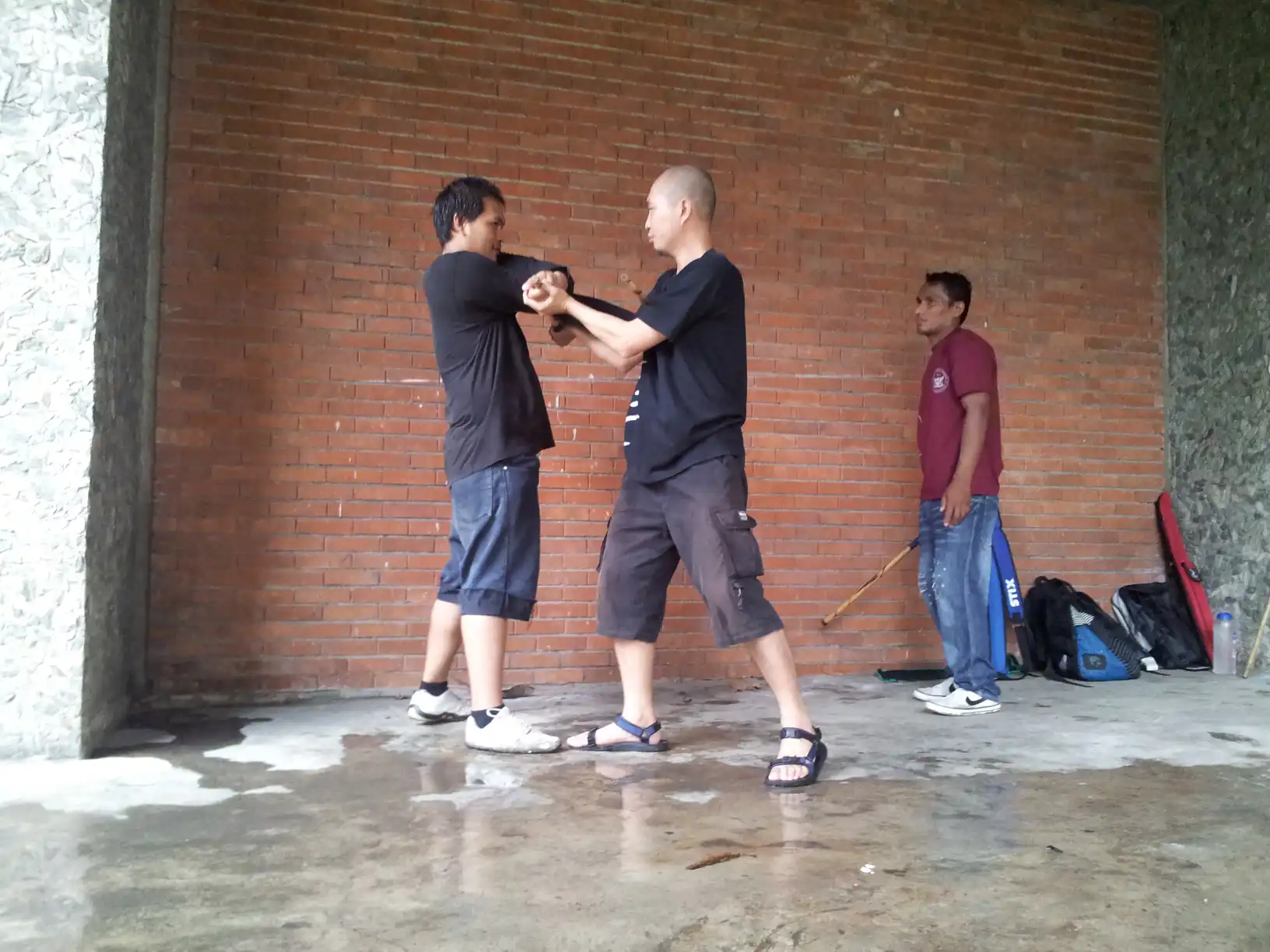
Training Arrangements
Ways to
Train With Me
Private Coaching
Tailored one-on-one or small-group instruction. Scheduling and rates vary depending on your location and travel requirements.
Regular Group Classes
Join the Lapunti Karilyon community for our regular Sunday sessions at UP Diliman. Features a beginner-friendly, progressive curriculum.
Seminars & Workshops
Intensive group training for clubs, martial arts schools, or organizations (minimum 10 participants). Custom rates plus travel and lodging apply. Please provide adequate lead time for scheduling and curriculum preparation.
Distance Mentorship / Affiliate Track
Designed for dedicated practitioners outside our regular training area. This track combines remote coaching with flexible, custom-negotiated travel arrangements for intensive in-person training, offering a pathway to establish an official local study group or branch under the Lapunti Karilyon umbrella.
To ensure a safe, respectful, and high-quality training environment, all prospective groups or students shall undergo a preliminary evaluation or assessment.
Get in Touch